
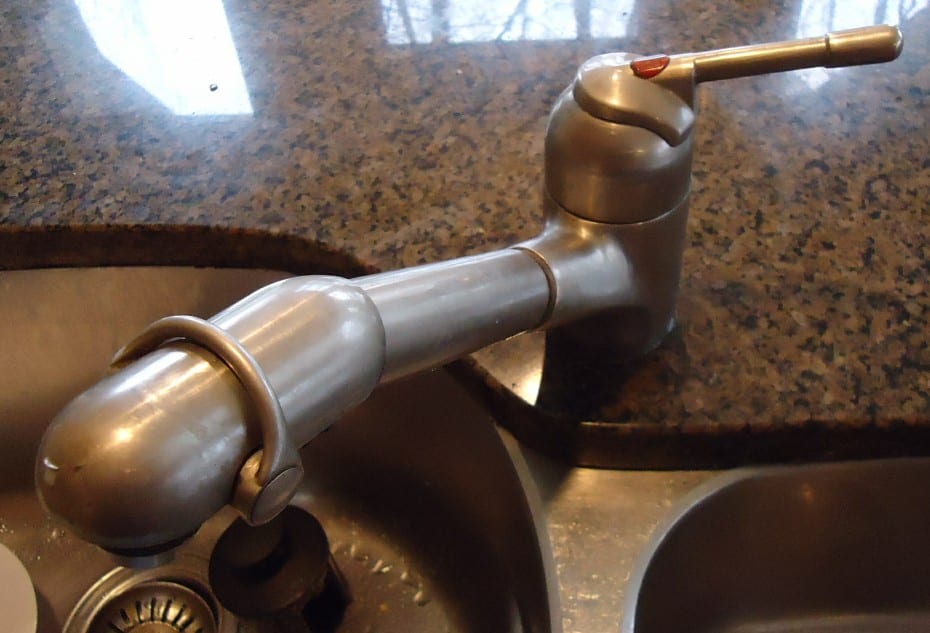
Name the fixture and the behavior
A toilet that refills repeatedly is different from leakage at its base. A faucet drip differs from water at a supply connection. Describe the location, frequency and whether the fixture can be safely left unused. Share a model label when available without dismantling anything.
Check repair parts and access
Ask whether the proposed work is a cartridge, valve, connection or full fixture replacement. Compatibility, accessible shutoffs and the condition behind the fixture can change the scope. Agree on how hidden conditions will be handled before the business starts.
Use water-use records carefully
GCWW homeowner guidance treats the private plumbing system as an owner-maintained part of the supply chain. A running fixture can contribute to unexplained use, but a bill increase does not identify one cause. Compare observations and ask the supplier about the meter when the register itself is uncertain.
Finish with the correct checks
Ask for an operational test and a check of disturbed connections. For replacement work, confirm applicable permit and inspection arrangements for the parcel. Cosmetic repair and alterations to counters, floors or cabinets belong in the written inclusions or exclusions.
Questions to ask about toilets, faucets & fixture repairs
- Which part or fixture is being replaced?
- Are shutoff and connection repairs separate?
- How will leakage and operation be checked?
Does the quote include everything?
Ask about assessment charges, the proposed remedy, parts, testing and work excluded from the scope. Availability and charges depend on the independent business and actual property. Compare the supplied scopes and exclusions before choosing.
Official resources
- GCWW private plumbing and water quality ↗
- Cincinnati plumbing inspections ↗
- Hamilton County plumbing jurisdiction and registration ↗
- MSD sewer-backup guidance ↗
- EPA WaterSense leak checks ↗
Use official resources to check utility responsibilities and the authority for the property address.